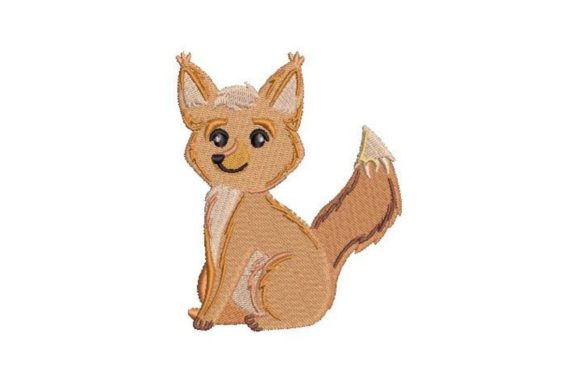
Kitsune Embroidery Design Review
First Impressions of Kitsune
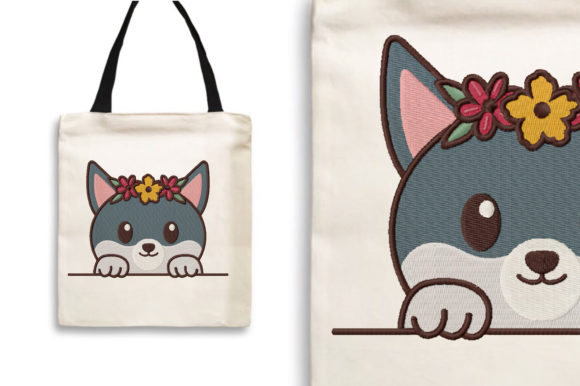
The Kitsune embroidery design immediately stands out with its playful and whimsical charm. The design feels friendly and approachable, which makes it ideal for a variety of small business applications. Its delicate lines and soft curves give it a handcrafted feel, making it perfect for handmade products and boutique merchandise.
Branded Merchandise & Patch Use
The Kitsune design is highly versatile when it comes to branded merchandise. It can be used as an embroidered patch, adding a unique touch to aprons, caps, tote bags, and even staff uniforms. As a machine embroidery design, it’s ready for commercial use and can be easily scaled to fit different product sizes.
For small business merch, the Kitsune design offers a subtle yet memorable branding element. Whether placed on a cap front, sleeve detail, or apron embroidery, it maintains visual appeal without overpowering the product. It's also great for customer gifts and event merchandise, helping to build brand recognition and customer engagement.
Custom Apparel Applications
Kitsune works well in custom apparel projects like work shirts, tote bag designs, and even as a chest logo accent. Its intricate details and soft color palette make it suitable for both casual and professional settings. When paired with the right thread colors, it can add a touch of elegance or playfulness depending on the desired brand image.
It's important to consider stitch density and hoop size when using Kitsune for custom apparel. A high stitch count ensures clarity, but it may require a larger hoop for optimal results. Testing the design on a real fabric sample before mass production is always recommended to ensure quality and consistency.
Small Patch Sizes & Curved Surfaces
When using Kitsune as an embroidered patch, attention should be given to small patch sizes and curved surfaces. The design's detailed outlines and textured elements may not translate well to very small formats. It's advisable to test the design in black and white first to evaluate how it looks at smaller scales.
Additionally, the fabric texture can affect the final appearance. Dark uniforms or fabrics with a rough texture may reduce the visibility of fine details. Using the right stabilizer is essential to maintain the integrity of the design during embroidery.
Thread Color Contrast & Visual Consistency
The thread colors used in Kitsune play a crucial role in the final outcome. Ensuring good contrast between the design and the fabric background helps maintain visual clarity. For brand identity, choosing a color that aligns with your brand palette will enhance professionalism and consistency across all products.
Before finalizing the design, it's recommended to create a printable mockup to visualize how Kitsune will look on the intended product. This step is especially useful when working with digital embroidery files and preparing for client approval.
Impact on Brand Identity & Customer Engagement
Using Kitsune in your brand identity can significantly boost customer trust and recognition. Its charming and magical theme appeals to a wide range of audiences, including parents, crafters, and small business owners looking for unique branding solutions.
By incorporating Kitsune into your handmade product line, you're not just adding an aesthetic element—you're creating a story that resonates with your audience. This emotional connection can increase buyer engagement and encourage repeat purchases.
Practical Designer Notes
- Test in black and white first: Ensure the design maintains clarity and readability in monochrome before proceeding with full-color embroidery.
- Check small patch size compatibility: Confirm that Kitsune works well at smaller dimensions, especially if used for patches or cap fronts.
- Review thread color contrast: Select thread colors that provide maximum visibility against the chosen fabric.
- Inspect spacing and alignment: Ensure the design is properly spaced and aligned for consistent results across all products.
- Confirm hoop size requirements: Verify that the hoop size is appropriate for the design to avoid distortion or incomplete stitching.
- Test on real fabric: Always perform a test run on actual fabric to assess how the design performs in real-world conditions.
- Use proper stabilizer: Choose the right type of stabilizer based on the fabric type to support the design and prevent puckering.
- Create a printable mockup: Share a printable mockup with clients to get feedback before production.
- Compare with other design assets: Ensure that Kitsune complements your existing design assets and maintains visual consistency.
- Confirm commercial licensing: Always verify that the digital embroidery file has the necessary commercial rights for business use.
Conclusion
The Kitsune embroidery design offers a delightful blend of charm and versatility, making it an excellent choice for small businesses looking to enhance their custom apparel and brand identity. Whether used as a patch, cap embroidery, or apron design, it adds a unique and engaging element to your product lineup. With careful consideration of stitch density, thread colors, and fabric texture, Kitsune can become a valuable asset in your commercial embroidery portfolio.